GOAL.MD Health & Wellness Blog
Evidence-based insights, medical weight loss information, and practical tips from our physicians and healthcare experts.

You’re Losing Weight But Are You Eating Enough to Protect Your Muscle?
You’re Losing Weight, But Are You Eating Enough to Protect Your Muscle?
The part of weight loss most people don’t think about
When the scale starts going down, it’s easy to think, “Eating less must be working.”
And on GLP-1s like semaglutide or tirzepatide, that usually happens naturally.
Your appetite quiets. Portions get smaller. Food feels optional in a way it never did before.
But there’s a quiet question worth asking along the way:
Are you eating enough to protect your muscles while the weight comes off?
Because fat loss and muscle loss can happen at the same time, and muscle is what keeps your metabolism steady, your body feeling strong, and your results lasting, not just shrinking.
👉 At Goal.md, patients are often reminded: the goal isn’t just to lose weight, it’s to lose the right kind of weight.

Why Muscle Matters (Especially on GLP-1s)
Muscle isn’t about getting bulky or living in the gym.
It’s about how your body functions.
Muscle helps you:
keep your metabolism from slowing down
feel stronger and more energized
look firmer as the scale drops
maintain your weight more easily long-term
When calories and protein stay too low for too long, especially during rapid weight loss, your body may start using muscle for fuel.
That can feel like:
more fatigue or weakness
a “soft” or deflated look instead of toned
stalls even though you’re barely eating
weight coming back more easily later
None of this means you’re doing something wrong.
It usually just means your body needs a little more support.
Signs You Might Not Be Eating Enough to Protect Muscle
You don’t need to track macros to notice patterns. Some common signs include:
feeling unusually tired or weak
strength slowly dropping
Workouts feel harder than they should
getting smaller, but not firmer
barely feeling hungry, yet feeling flat or drained
progress stalling despite low intake
If a few of these sound familiar, the answer usually isn’t “eat less.”
It’s eat smarter.
Protein Is Your Biggest Muscle Ally
Protein gives your body a reason to hold onto muscle while burning fat.
On GLP-1s, appetite suppression can make protein easy to miss, especially if meals are small or skipped.
You don’t need big portions.
You just need consistent protein.
Think:
protein in 2–3 small windows per day
Even a few bites still count when appetite is low
Simple options:
Greek yogurt
eggs
cottage cheese
tofu
chicken or fish
a simple protein shake (not dessert-style)
👉 At Goal.md, patients are helped to hit realistic protein goals without forcing food because muscle protection shouldn’t feel stressful.
Eating Too Little Can Actually Slow Things Down
It sounds backward, but eating “as little as possible” can stall progress.
When your body senses scarcity, it may:
conserve energy
hold onto water
breakdown muscle
reduce daily movement without you noticing
That’s why some people feel smaller but stuck.
Eating just enough tells your body:
“We’re safe. We can burn fat without sacrificing strength.
You Don’t Need Hardcore Workouts to Protect Muscle
This surprises a lot of people.
You don’t need heavy weights or long gym sessions.
Even gentle strength signals help your body keep muscle.
Simple examples:
bodyweight squats
wall pushups
resistance bands
light dumbbells
short strength “snacks” a few times a week
Walking matters too. It keeps your metabolism awake and supports fat loss without draining you.
Rest Is Part of the Plan
Muscle isn’t protected only during movement; it’s protected during recovery.
If you feel more tired than usual on GLP-1s, that doesn’t mean you’re lazy.
It means your body is adapting to:
lower intake
hormonal shifts
fat loss
Sleep, hydration, and rest help your body decide what tissue to keep.
What “Enough” Really Looks Like
You don’t need perfection.
You need consistency.
A simple check-in:
Did I get protein more than once today?
Did I eat something, even if my appetite was low?
Did I move a little and rest a little?
If most answers are yes, you’re supporting muscle even while losing weight.
👉 This balanced approach is exactly what Goal.MD helps patients build fat loss with strength, not at the expense of it.
Final Thoughts
Losing weight is a real accomplishment.
But protecting muscle is what makes that loss feel better, look better, and last longer.
If you’re shrinking but feeling weak, flat, or stalled, it’s usually not a motivation problem.
It’s a fueling one.
Small protein choices.
Gentle strength.
Enough food to feel safe.
Enough rest to recover.
You’re not just losing weight.
You’re rebuilding your body, and muscle deserves a seat at the table.
✅ Medically Reviewed by Dr. Michael Fitch, MD
Last Reviewed: October 24, 2025
This article has physician protocols. Individual results and recommendations may vary. Always consult a licensed clinician before beginning any medical pros been medically reviewed for accuracy and consistency with current clinical practice guidelines. All treatment descriptions reflect the real GOAL.MD gram.

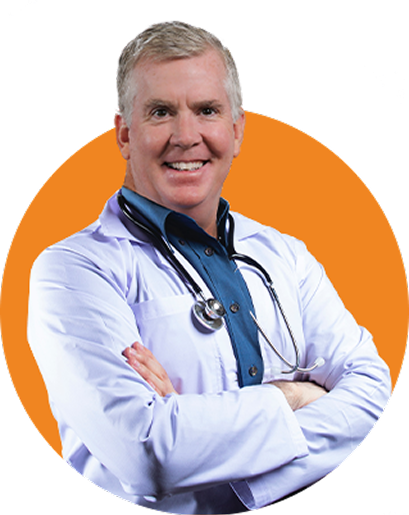
Dr. Michael Fitch, MD
Physician, GOAL.MD – Board-Certified in Internal Medicine
Dr. Fitch has treated thousands of patients using evidence-based medical weight-management therapies, including GLP-1 and longevity-focused medications. He leads GOAL.MD’s national physician network and personally oversees treatment protocols for weight loss, metabolic health, and nutrition optimization.
👉 Click here and get started with Goal.md
The GOAL.MD blog is published by GOAL.MD, a medical practice dedicated to personalized, patient-centered weight management and metabolic health. Our mission is to make evidence-based care accessible through licensed providers and modern telemedicine services, empowering individuals to reach their health goals safely and sustainably. Any general health information shared on our blog, website, or social channels is provided for educational and informational purposes only. It should not be considered medical advice, diagnosis, or treatment. The content is not a substitute for consultation with a qualified healthcare professional who can provide individualized recommendations based on your specific medical history and needs. GOAL.MD and its affiliated providers make no representations or warranties and expressly disclaim all liability for any loss, injury, or damage resulting from reliance on the information provided herein. If you have questions about your health or a medical condition, please consult with a licensed medical professional before making changes to your medication, treatment plan, or lifestyle.

Disclaimer: Wegovy® and Ozempic® are trademarks of Novo Nordisk A/S. Mounjaro® and Zepbound® are trademarks of Eli Lilly and Company. GOAL.MD is a physician-owned medical practice, not a pharmacy. We do not manufacture or distribute medications. Prescriptions are issued when medically appropriate, and compounded medications are filled by FDA-monitored 503A/503B pharmacies. GOAL.MD is LegitScript Certified, BBB Accredited, and A+ Rated. We are not affiliated with Novo Nordisk or Eli Lilly.



At Eden, we believe in empowering individuals on their weight loss journey through personalized metabolic care. Our commitment to transparent pricing is reflected in our 'Same Price at Every Dose' philosophy. This ensures predictability in your costs – you'll pay the same price for your medication regardless of dosage adjustments throughout your program. Please note that this may exclude any new member discounts or specific plans. Terms& conditions apply.
*Prescription products require an online evaluation with an independent licensed medical professional who will determine if a prescription is appropriate. See important are based on 3rd party studies. Medications are prescribed by independent licensed physicians as part of our weight loss programs. Actual product packaging may appear differently than shown. Physicians may prescribe compounded medications as needed to meet patient requirements or drug shortages. The FDA does not review or approve any compounded medications for safety or effectiveness.
Should you seek a prescription item, Eden will facilitate arranging a consultation with a qualified independent provider. The Provider will assess your suitability for the prescription item. If deemed suitable, a doctor may issue a prescription for the item, which can be filled at a partner pharmacy, unless you specify an alternative preference.
You also consent to Eden using your information for third-party advertising purposes, including but not limited to targeted advertising on platforms such as Facebook, Google, and other similar sites. This includes using hashed and de-identified data to create custom audiences for targeted advertising and to exclude existing customers from certain marketing campaigns. You can opt-out of receiving marketing emails at any time by following the unsubscribe instructions provided in each email or by contacting us directly at [email protected]
Note: The above statements have not been evaluated by the Food and Drug Administration. This product is not intended to diagnose, treat, cure, or prevent any disease.
Why GOAL.MD?
✅ Sourced from audited 503a US compounding pharmacies.
✅ Custom dosages adjusted to your needs.
✅ Free consultation + 24/7 support.
How It Works
1. Quiz
90 seconds. No commitment.
2. Consult
Video chat with your GOAL.MD doctor.
3. Deliver
Meds at your door tomorrow.
Transform Your Life with Physician-Directed Care
Join thousands who've found success with physician-directed care. Take our 3-minute quiz to see if medical weight loss is right for you.